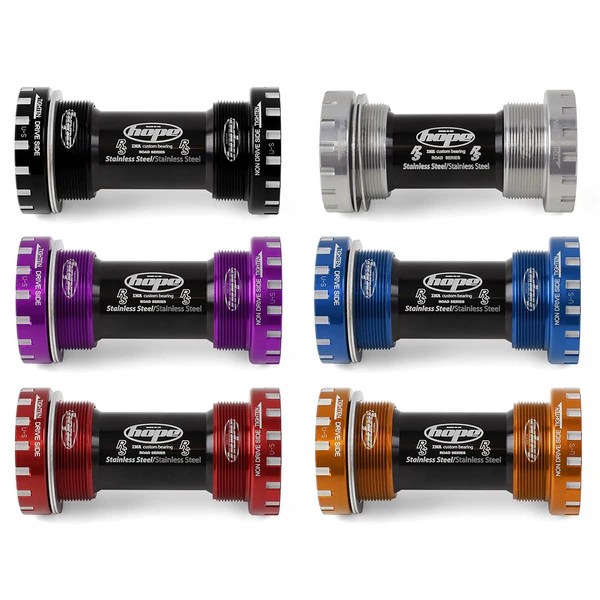
If you’ve ever wondered what keeps the pedals on your bike spinning smoothly while transferring all that leg power to the wheels, the answer lies in a humble yet crucial component: the bottom bracket. Tucked away out of sight, this unsung hero is the pivot point for your bike’s drivetrain. Let’s dive into what it is, why it’s essential, and how it’s evolved over time!
What Is a Bottom Bracket?
The bottom bracket is the part of a bicycle that connects the crankset (the arms your pedals attach to) to the frame. It sits in a shell at the bottom of the bike’s frame and allows the crankset to rotate. In simple terms, it’s the axle and bearing assembly that lets you pedal efficiently without things creaking, wobbling, or falling apart.
Without a bottom bracket, you’d be pedaling into thin air. It holds the cranks in place and allows for a smooth transfer of power from your legs to the chain, and eventually, to the rear wheel. Whether you’re cruising on a leisurely ride or hammering it out in a race, a well-functioning bottom bracket makes all the difference.
A Short History of Bottom Brackets
The bottom bracket has been around for as long as the modern bicycle. Early bicycles featured simple, often rudimentary bearing systems that were prone to wear and tear. As technology improved, sealed bearings and more sophisticated designs became the norm.
In the 20th century, the development of standardized bottom bracket sizes, like the classic English Threaded (BSA) bottom bracket, became the foundation for most bikes. As bike technology evolved, particularly in road and mountain biking, manufacturers began experimenting with lighter materials, press-fit systems, and integrated designs.
Today, bottom brackets come in a dizzying variety of types, each tailored to different riding styles and frame designs. While the basics remain the same, modern bottom brackets have become specialized components designed to maximize efficiency, minimize weight, and fit seamlessly into cutting-edge bike frames.
Types of Bottom Brackets
Let’s explore the main types of bottom brackets, how they work, and which bikes they’re typically used for.
1. Threaded Bottom Brackets
• What It Is: A classic design where the bottom bracket is threaded into the frame shell.
• Uses: Found on many traditional road bikes, touring bikes, and some modern mountain bikes.
• Why It’s Popular: Easy to service, replace, and maintain. The threaded interface keeps the bearings secure and prevents annoying creaks.
• Example: BSA (British Standard Thread) is a common threaded standard.
2. Press-Fit Bottom Brackets
• What It Is: Instead of threading, the bottom bracket is pressed into the frame shell.
• Uses: Common in modern road bikes and high-end mountain bikes, especially carbon frames.
• Why It’s Popular: Eliminates the need for threading, allowing for lighter and stiffer frame designs. However, they can be prone to creaking if not installed correctly.
• Examples: BB86, BB30, and PF30 are popular press-fit standards.
3. Square Taper Bottom Brackets
• What It Is: An older design where the crank arms attach to a square-tapered spindle.
• Uses: Still used on entry-level bikes, older models, and some touring bikes.
• Why It’s Popular: Affordable and reliable, though less stiff and heavier than newer designs.
4. External Bottom Brackets
• What It Is: Bearings are housed outside the frame, rather than inside the bottom bracket shell.
• Uses: Widely used in modern road bikes and mountain bikes with external-bearing cranksets.
• Why It’s Popular: Offers better stiffness, easier bearing replacement, and compatibility with modern drivetrains. It also allows for larger bearings for increased durability.
5. Ceramic Bottom Brackets
• What It Is: High-end bottom brackets featuring ceramic bearings.
• Uses: Seen on performance-oriented bikes, both road and mountain.
• Why It’s Popular: Ceramic bearings are smoother, lighter, and last longer than steel bearings. They’re great for those chasing every watt of efficiency—but they come at a premium price.
6. T47 Bottom Brackets
• What It Is: A relatively new standard that combines the best of threaded and press-fit designs.
• Uses: Gaining popularity in gravel bikes and high-end road bikes.
• Why It’s Popular: Provides the secure fit of a threaded bottom bracket with the large shell diameter of press-fit designs, ensuring stiffness and compatibility.
Choosing the Right Bottom Bracket
The type of bottom bracket you need depends on your bike’s frame and the type of riding you do. Here are a few quick guidelines:
• Recreational Riders & Commuters: Threaded or square-taper systems are affordable and reliable.
• Performance-Oriented Cyclists: Press-fit or ceramic options offer increased efficiency.
• Gravel or Adventure Cyclists: T47 bottom brackets provide durability and compatibility for mixed terrain.
Final Thoughts
While it’s easy to overlook the bottom bracket, it’s a critical part of your bike’s performance and reliability. Understanding its role and knowing the different types can help you make informed decisions when buying or upgrading your bike. So next time you’re pedaling away on a long ride, give a little thanks to your bottom bracket for keeping everything spinning smoothly!
 Bottom Bracket
Leave a comment