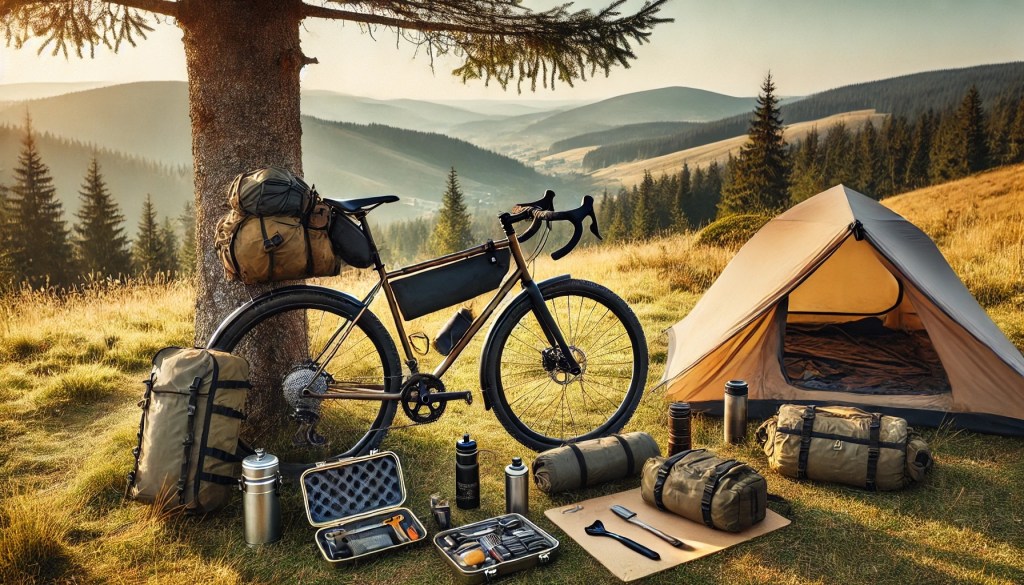
Top 10 Tips for Your First Bikepacking Trip
1. Don’t Overpack
Packing light is key for your first bikepacking adventure. Overloading your bike can make it feel cumbersome and less enjoyable to ride. Stick to the basics:
• Essential tools and spares
• Two cycling kits and two sets of casual clothes
• Minimal toiletries
Pack one or two luxury items to keep your spirits high but resist the urge to bring too much.
2. Wear Mountain Bike Shoes
Road cycling shoes aren’t ideal for bikepacking. Opt for mountain bike shoes or flat pedals with regular shoes. MTB shoes are designed for walking and navigating varied terrain, while road shoes are more fragile and impractical for off-bike activities.
3. Use a Dedicated GPS Head Unit
Invest in a cycling-specific GPS unit, like a Garmin or Wahoo. These devices:
• Offer reliable navigation even without phone signal
• Have long battery life
• Free up your phone for emergencies or other uses
With a GPS head unit, you’ll avoid draining your phone’s battery and stay on track.
4. Wash and Dry Your Kit Efficiently
Stay fresh by washing your kit in the shower. Squeeze out excess water, roll it tightly in a towel, and step on it to remove even more moisture. Hang it up to dry overnight—it’ll be ready to wear the next day.
5. Keep Your Bags in Line
Streamline your bikepacking setup with bags that align with your bike’s frame. This reduces drag, making it easier to ride, especially if you’re part of a group. Avoid bulky panniers unless absolutely necessary.
6. Use a Stem Bag for Snacks
A stem bag or food pouch keeps your snacks within easy reach, encouraging you to eat more often. The easier your food is to access, the better your energy levels—and mood—will be during long rides.
7. Set Up Eating & Drinking Alerts
Stay fueled by setting reminders on your GPS device to eat and drink regularly. Alerts every 45 minutes or so can prevent fatigue and bonking, keeping your energy levels steady throughout your ride.
8. Share Your Location with Loved Ones
Use a live tracking feature on your GPS device (or pair it with your phone) to share your location with family or friends. For remote areas, consider a satellite tracker like the Garmin InReach Mini for added safety and communication capabilities.
9. Pack Earplugs and an Eye Mask
Get quality rest by blocking out light and noise with an eye mask and earplugs. These small items are lifesavers, especially if you’re staying in hostels, hotels, or campgrounds with unpredictable noise levels.
10. Practice Your Setup Before You Go
Before embarking on your trip, take your loaded bike for a test ride. This helps you:
• Adjust to the weight distribution
• Identify any issues with your packing or gear
A practice run ensures your bikepacking trip starts off smoothly.
Bikepacking is all about enjoying the journey and embracing new challenges. With these tips, you’ll be better prepared to tackle your first adventure with confidence. Happy riding!
 Bottom Bracket
Leave a comment